Sunscreen: the step that decides whether the rest worked
UVA passes through glass, is present all year, and causes the pigmentation you are treating. The cheapest product in your routine protects the most expensive ones.
If you take one thing from everything on this site, take this one.
Sunscreen is the cheapest product in most routines and the one that decides whether the expensive ones were worth buying. Retinol at night and unprotected daylight the next morning is spending money to stand still.
UVA and UVB are not the same thing
UVB burns. It is stronger in summer, weaker in winter, and mostly blocked by glass. It is what the SPF number measures.
UVA is the one that matters for what most people are actually worried about. It penetrates deeper, drives pigmentation and skin ageing, is present at roughly the same intensity all year, and passes straight through window glass.
That last point surprises people. If you work near a window, or drive during the day, you are getting UVA exposure with no sensation of it at all. There is no burn to warn you.
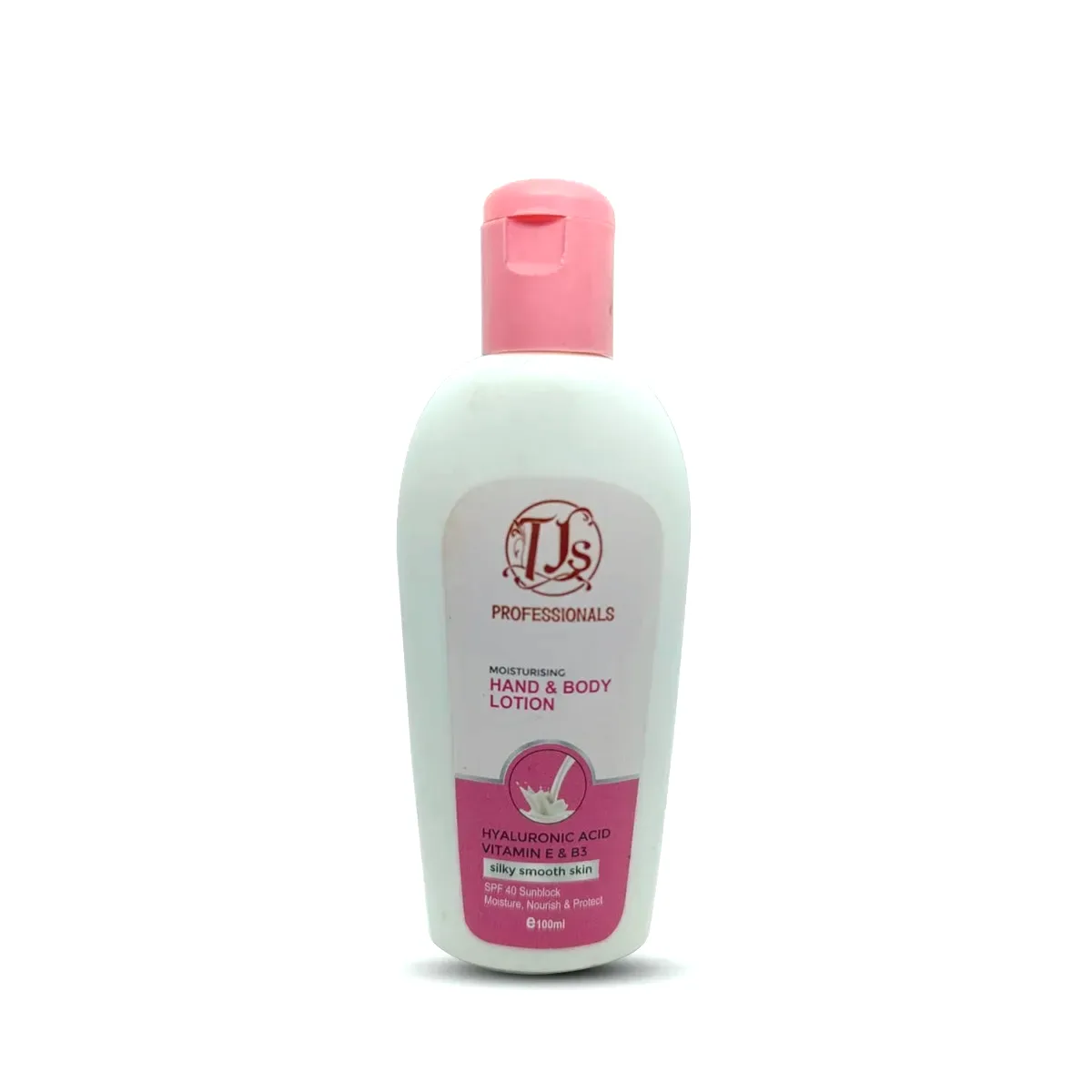
An SPF number alone tells you nothing about UVA. What matters is whether the formula contains filters that cover it — avobenzone, titanium dioxide, zinc oxide. TJs Sun Block SPF-40 contains avobenzone and titanium dioxide for exactly this reason.
How much to apply
More than you are applying. Almost certainly.
Most people use about a quarter of the amount sunscreen is tested at, which means an SPF 40 behaves closer to an SPF 10 on a real face. For the face and neck, roughly two finger-lengths squeezed onto your index and middle fingers is the working rule.
Reapply if you are outdoors for hours. On an ordinary indoor day, morning application is enough.
The order
Sunscreen goes last in your morning routine, over your moisturiser, under any makeup.
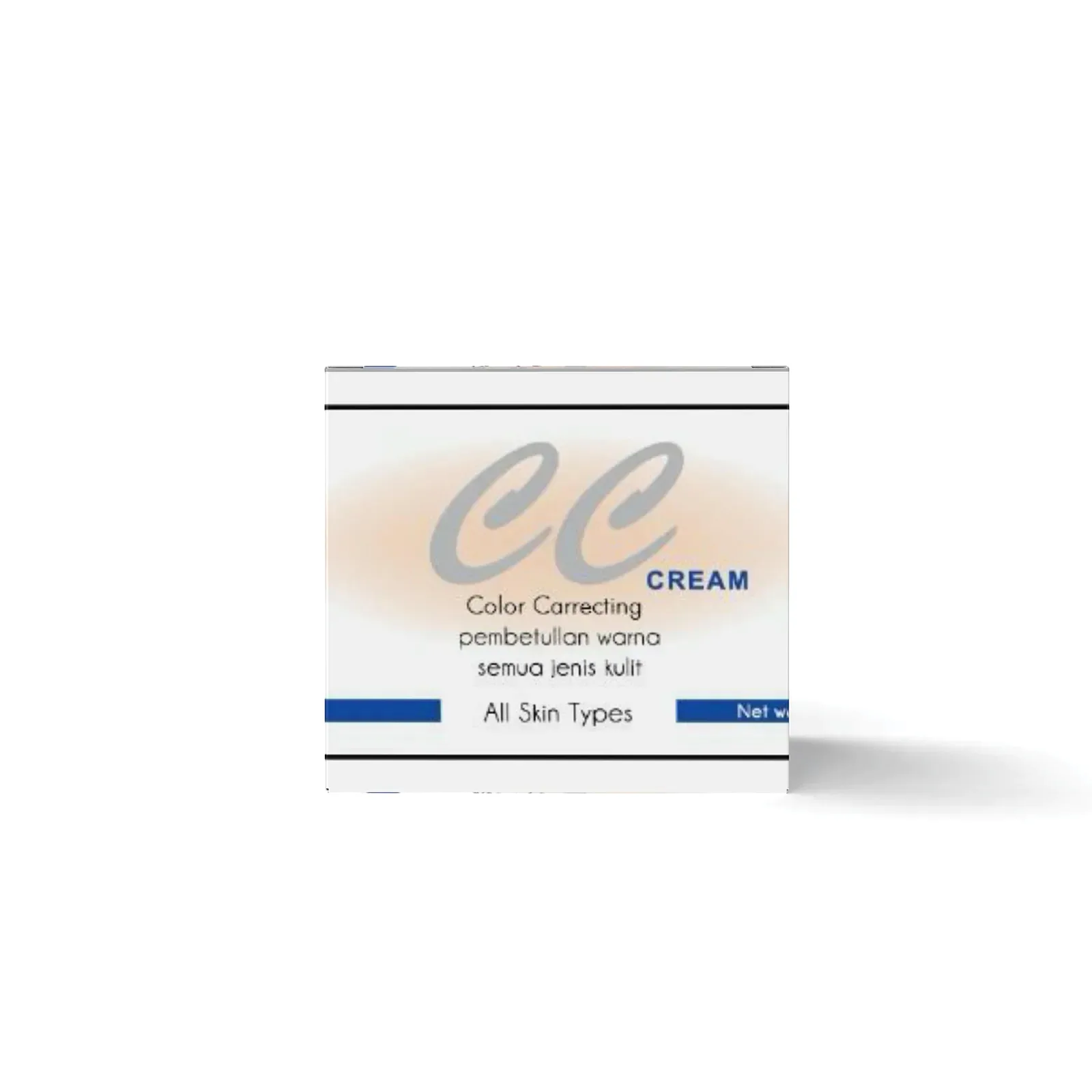
Serum, then moisturiser, then sunscreen, then CC cream if you use one — TJs CC Cream layers over the top and evens out tone without the weight of a foundation.
Products that raise the stakes
Some actives make sun protection more urgent rather than less:
- Retinol increases sun sensitivity — in Acne No-mark Recuperate Lotion and Whitening Lotion
- Acids thin the outermost layer temporarily
- Any brightening product, because you are actively fighting what the sun is doing
The Whitening Lotion pack carries its own warning about heat and sunlight after application. It is there for a reason.
The objections
"It breaks me out." Try a lighter texture and apply less, more evenly. Skipping it entirely to avoid a breakout, while treating pigmentation caused by sun exposure, is the wrong trade.
"It leaves a white cast." Chemical filters like avobenzone leave far less than heavy mineral formulas.
"It is winter." UVA does not have a season.
"I am already dark, I don't burn." Burning is UVB. Pigmentation, uneven tone and ageing are largely UVA, and no amount of natural melanin makes you exempt. Skin of colour is more prone to post-inflammatory pigmentation, not less — which makes sun protection more important here, not less.
In short
Everything else in your routine is trying to improve your skin. Sunscreen is the only thing stopping the damage from continuing while you do it.